
WSpoint »
Which Canopy for FFC? The Ultimate Guide to Wingsuit-Friendly Mains
When you transition to wingsuit flying, your criteria for what makes a "good canopy" completely changes. In normal skydiving, you might value a snappy turn or a long, aggressive swoop. In a wingsuit, deployment characteristics are everything. Because a wingsuit creates a massive aerodynamic wake (or "burble") directly behind you, deployment dynamics change drastically. A canopy that opens beautifully on a normal belly jump can easily result in violent line twists or a hard malfunction when wingsuiting.
If you are preparing for your First Flight Course (FFC), here is exactly what you need to know about canopy size, shape, and construction.

1. Canopy Shape: 7-Cell vs. 9-Cel
The Gold Standard for Wingsuiting is a Docile, 7-Cell Canopy.
Why 7-Cells Rule:
-
Stable, More Consistent Openings: 7-cell canopies have lower aspect ratios. They naturally inflate more evenly and predictably, giving you time to manage any minor heading deviations during deployment.
-
On-Heading Openings: They are significantly less prone to searching for a heading or diving into line twists if you deploy with a slight body-position asymmetry.
-
Smaller Pack Volume: A 7-cell packs smaller than a 9-cell of the same size, allowing you to easily upsizing your canopy without needing to buy a massive new container.
The Problem with 9-Cells:
Standard 9-cell elliptical or semi-elliptical sport canopies (like a Sabre, Safire, or Pilot9) want to fly fast and are highly sensitive to harness input. If you deploy a 9-cell in the turbulent air behind a wingsuit while your body is slightly tilted, the canopy will likely snap into aggressive line twists before it fully inflates.
-
FFC Rule: For your first wingsuit jumps, avoid highly elliptical, high-performance, or cross-braced 9-cell canopies entirely.
2. Canopy Sizing and Wing Loading
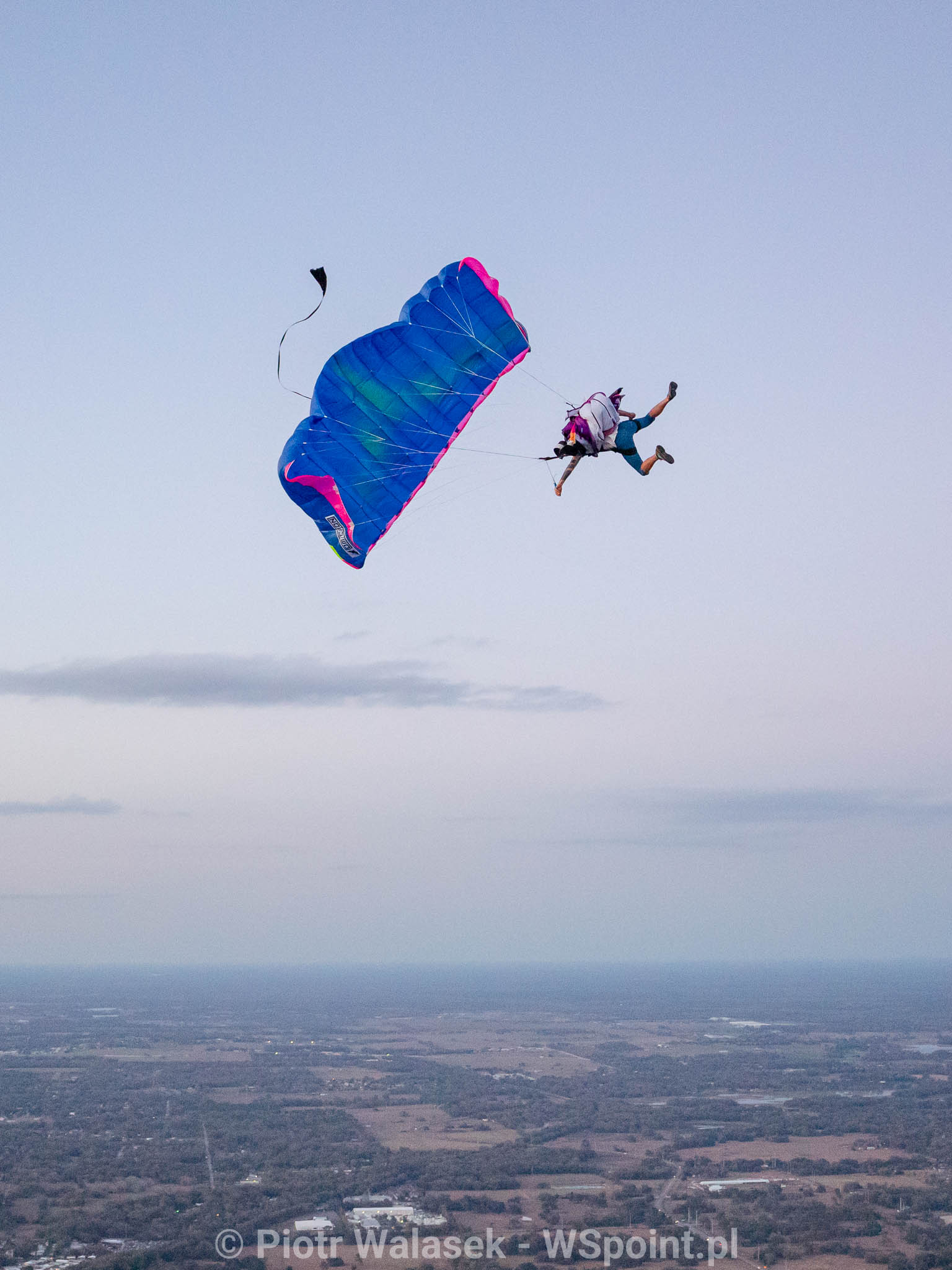
Now is not the time to show off a small, highly responsive wing. For an FFC, you want a canopy that gives you a massive margin for error when dealing with line twists or off-field landings.
-
Recommended Wing Loading: Keep your wing loading at or below 1.3 lbs/ sq ft (ideally around 1.1 to 1.2 lbs/sq ft).
- Why Size Matters: A larger, lightly loaded canopy flies slower. If you get line twists which are incredibly common in early wingsuit flights a larger canopy is much less likely to immediately spin up, dive, or enter an unrecoverable spiral. It buys you valuable time to kick out of the twists.
Choice for Reserve Canopy:
-
Size matters: The larger the reserve, the better. It should definitely be large enough to keep the Wing Loading (WL) <1.3.
3. Fabric and Construction Materials
The physical makeup of your canopy directly impacts how it behaves during a wingsuit opening.
FFC-Friendly Construction:
-
Zero-Porosity (ZP) or Low-Porosity: Standard zero-porosity (ZP) fabric is fine, but dedicated wingsuit canopies often use specialized low-porosity fabrics that allow the canopy to breathe slightly during inflation, softening the opening.
-
Lines: The lines must be of the correct length, as any unevenness is transferred directly to the canopy. This can cause warping under asymmetric deployment loads, which directly impacts on-heading openings.
Avoid "Swooping" Mods:
Do not use a canopy with a canopy designed with a highly sensitive trim setup for your FFC.

4. Specific Canopy Recommendations
If you are sourcing gear for your FFC, look for these widely trusted, highly reliable wingsuit-friendly models:
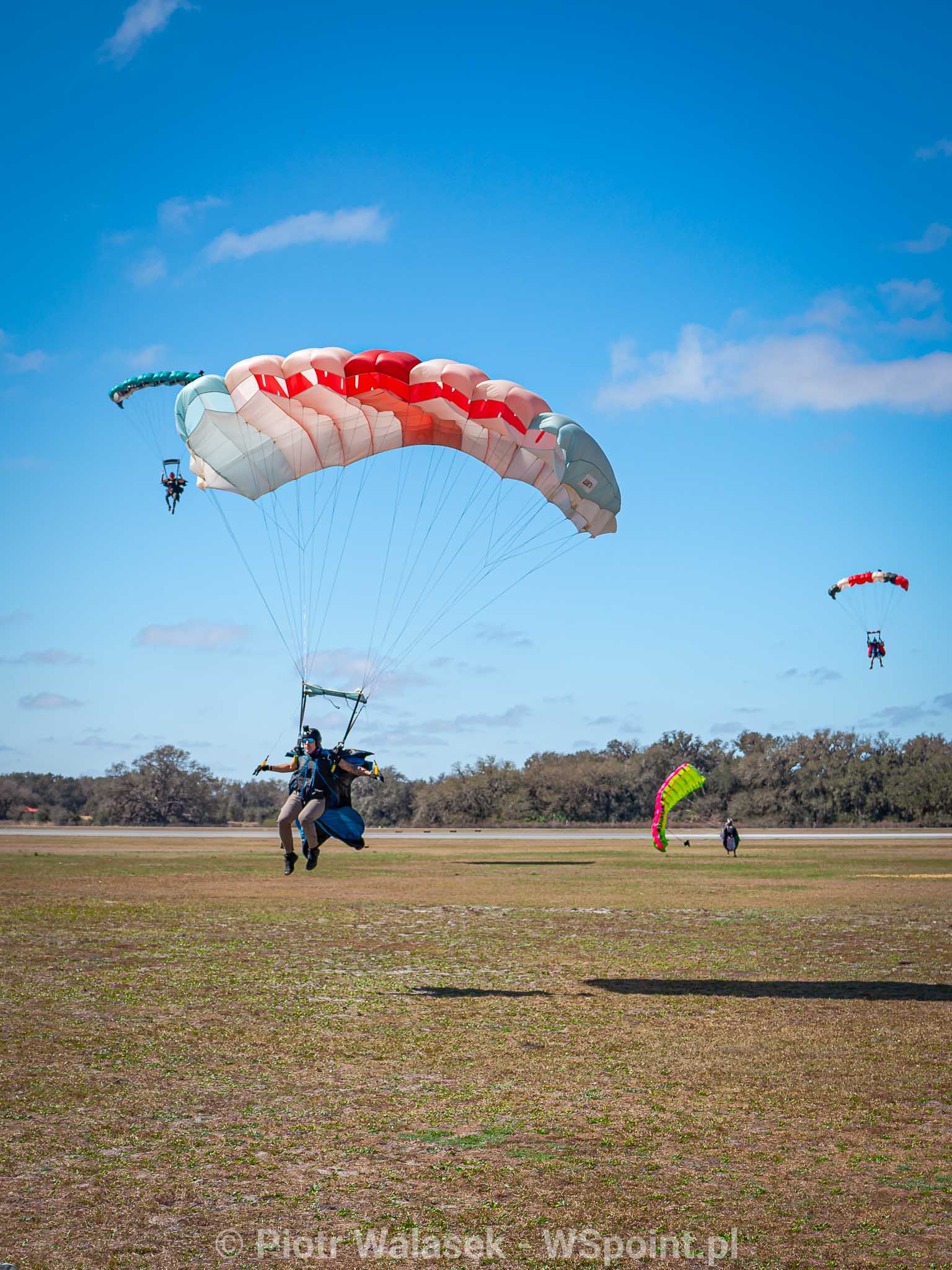
Specialized Wingsuit Wings (Best Choice):
-
Squirrel Epicene / Omicron: Hybrid canopies specifically engineered for wingsuiting and BASE progression. Incredible on-heading openings, ultra-low bulk, and extremely docile behavior.
- Atiar Winx: ZP, Hybrid or LPV canopy incorporate BASE experience delivering. Speed of inflation you can set according to your needs by available three different sliders. On-heading openings, great glide performance, and a powerful flare.
-
Icarus Canopies Kraken: Hybrid Low pack a dedicated 7-cell wingsuit canopy built specifically to handle low-airspeed, turbulent deployments cleanly.
-
Icarus World OM: Hybrid Low pack a dedicated 7-cell wingsuit canopy with multi-stage controlled deployment sequence. Great flight performances and powerful flare.
Standard Skydiving 7-Cells (Excellent Choice):
-
Performance Designs Storm: A robust, docile 7-cell canopy with fantastic on-heading characteristics. Very popular as a dual-purpose (wingsuit and standard skydiving) wing.
-
Performance Designs Spectre: An absolute classic. It is legendary for its soft, predictable, on-heading openings.
-
Icarus Canopies Omni: A highly predictable, forgiving 7-cell that behaves exceptionally well in messy air.
"Why elite pilots choose docile canopies:
As large scale event organizers events, we’ve seen that the best flyers respect the entire flight profile especially deployments.
Choosing a predictable, properly sized 7-cell for your FFC isn't a beginner compromise; it’s a tactical decision to eliminate drama in the air.
Managing your canopy with zero drama proves you have the situational awareness required for elite, record-breaking formations."
5. Don't Forget the Pilot Chute and Bridle!
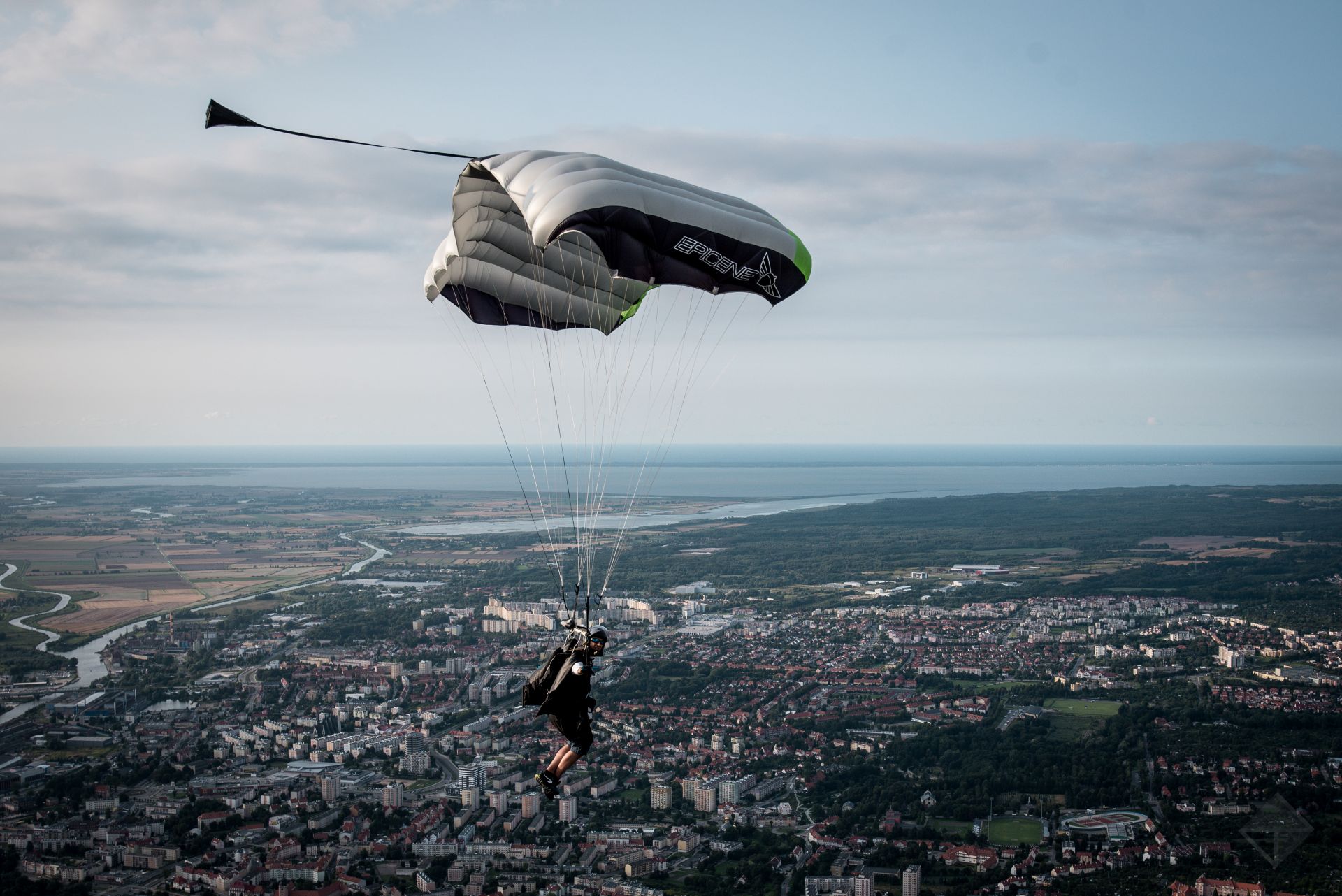
Your canopy is only half the equation. The deployment system needs to be optimized to pull that canopy clear of your wingsuit's burble.
-
Bridle Length: You need a long bridle (ideally 8 feet from pin to pilot chute). A standard short skydiving bridle can leave your pilot chute trapped in the dead air directly behind your wingsuit.
-
Pilot Chute Size: Use a 26-inch to 30-inch kill-line pilot chute with a light and easily grabbable handle (like a plastic tube). Avoid use a Monkey Fist or Freefly Pud. Pull Out Handle is prohibited!
-
Deployment Bag: Ensure your canopy is neatly and symmetrically packed. Sloppy packing guarantees messy openings when a wingsuit is involved.
Pro Tip: Wingsuit deployments happen at a significantly lower forward airspeed than normal belly jumps, resulting in less extraction force. If your pilot chute's kill-line is worn out (shrunk) from heat and friction, it will not fully inflate. This can cause the pilot chute to dance unsteadily in your burble instead of cleanly pulling your pin.
Summary Checklist for Your FFC Gear:
-
-
Type: 7-Cell, docile design.
-
Wing Loading: ≤1.3 lbs/sq ft.
-
Bridle: 8 to 9 feet long.
-
Pilot Chute: 26–30 inch with an light and easy-to-grip handle.
If you are unsure whether your current skydiving rig meets these safety standards, reach out to your WSpoint instructor before your course. We can review your logbook, your gear configuration, and help you source a rental rig if your current canopy is too aggressive for your first flights!
-
CATEGORIES: