
WSpoint »
What is a First Flight Course (FFC)? Your Gateway to Wingsuiting
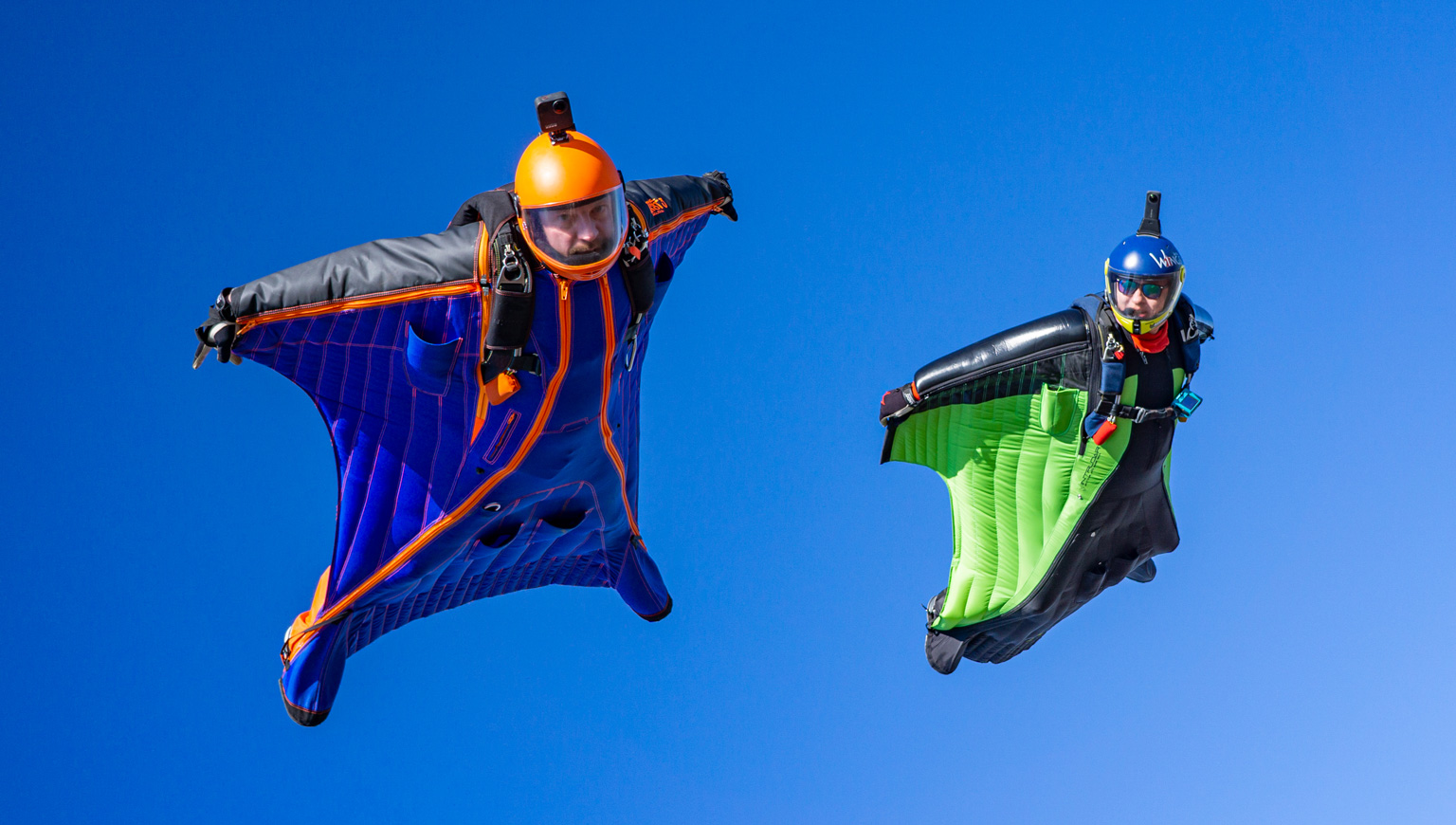
The day you put on a wingsuit for the first time is a day you will never forget. It changes your perception of human flight forever. However, a wingsuit isn't just an addition to your gear, it is a completely new type of aircraft.
Because a wingsuit dramatically alters your glide ratio, airspeed, deployment dynamics, and emergency procedures, a structured First Flight Course (FFC) is mandatory globally to ensure your safety.
Here is exactly what you will experience during your FFC at WSpoint.
1. The FFC Ground School (The Theory)
Before you ever walk out to the airplane, you will spend several hours in the classroom. Ground school isn't just a basic briefing, it is an exhaustive technical teardown of wingsuit physics and emergency management.
-
Equipment Setup: We will inspect your rig to ensure it meets wingsuit safety standards. This includes checking your canopy type (docile 7-cell), verifying you have a long bridle (8 feet), a proper pilot chute (26–30 inch), and learning how to properly dress and route your gear into the suit.
-
Emergency Procedures: Your standard skydiving emergency habits must be adjusted. With your arms and legs restricted by fabric, you must learn to efficiently find your handles without hesitation!
-
The "Breathe" Technique: You will practice body positions on the ground to learn how to actively collapse your wings right as you pull, keeping you clear of the aerodynamic wake (burble) behind you.
2. Managing the Exit
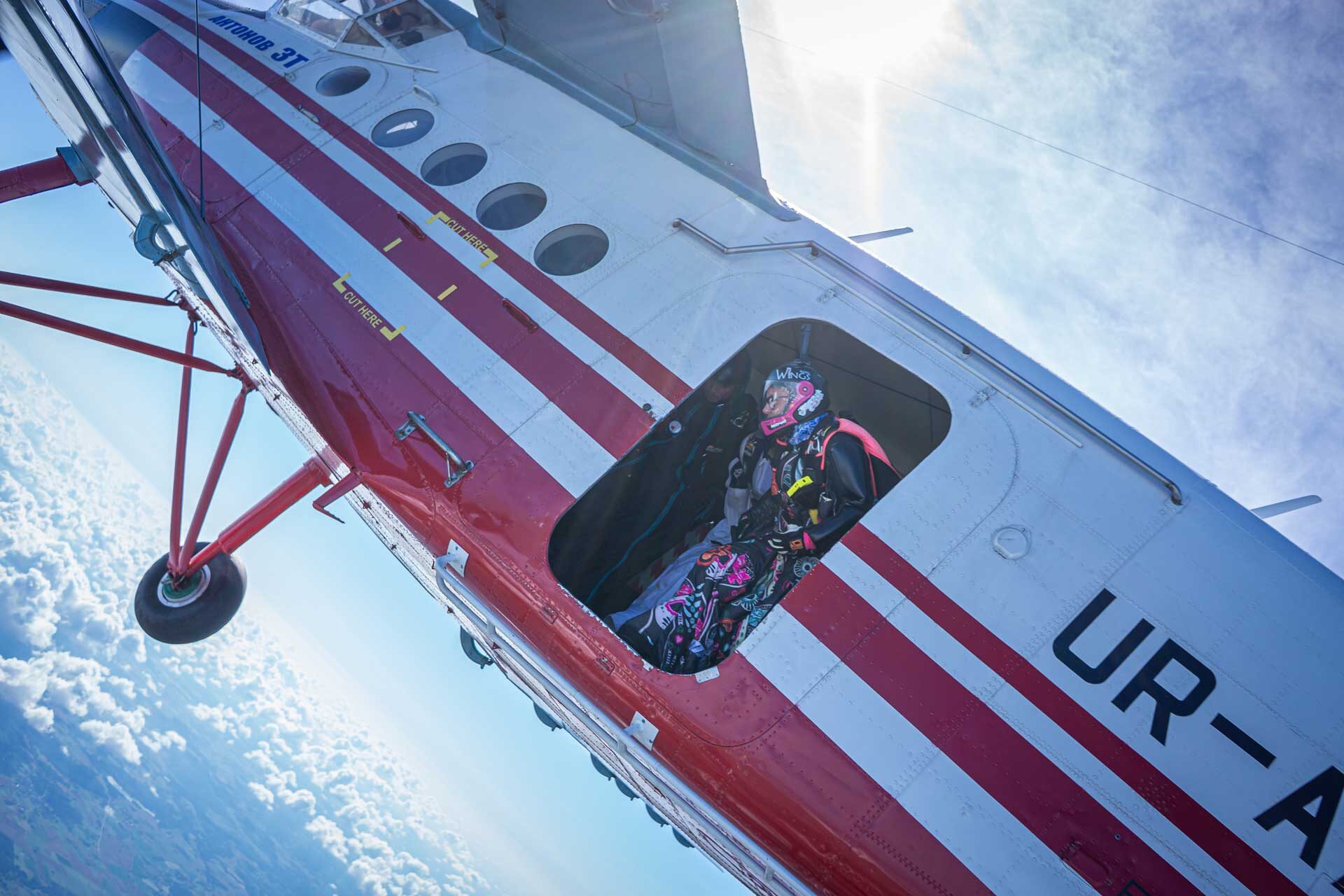
Your first wingsuit exit can feel intimidating because you cannot instantly open your wings when leaving the door.
-
The Core Rule: You must exit "naked" and aerodynamic.
-
The Technique: You will leave the aircraft with your wings completely closed, matching the relative wind. Only after you are clear of the tail and stable in sub-terminal airflow will you smoothly punch out your arms and legs into a full flight position. Opening your wings too early can catch the prop blast, causing a unstable spin right out of the plane or lead you to the airplane tail wing.
3. Flight Patterns & Navigation
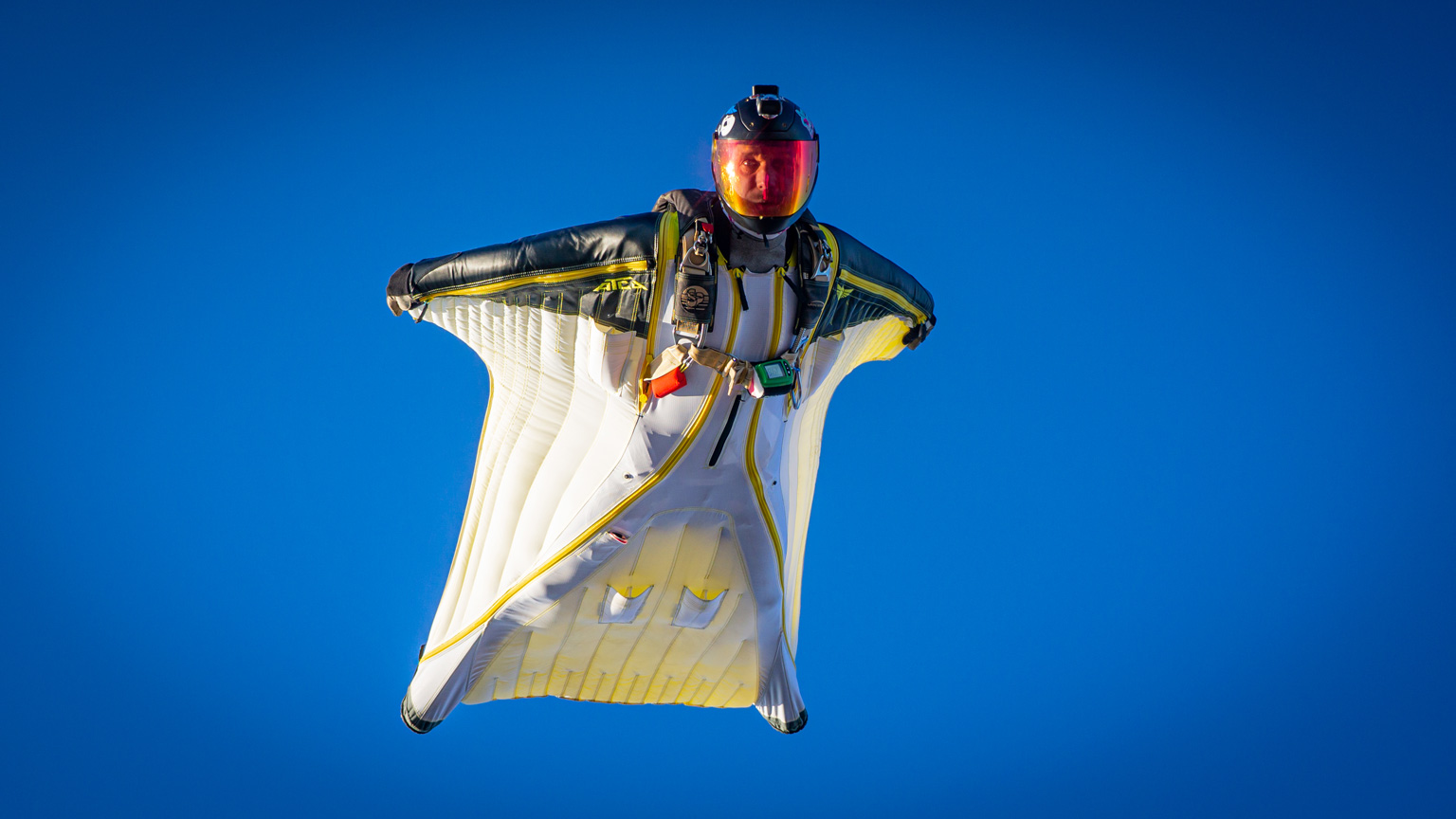
A standard skydiver covers very little horizontal distance. A wingsuit pilot, however, can easily travel kilometers away from the aircraft. This means traditional dropzone navigation patterns no longer apply.
-
The Flight Path: During your FFC, you will fly a strict, pre-planned "U-pattern" relative to the wind and the runway.
-
The Goal: The flight path is engineered to keep you well clear of the standard jump-run corridor (to avoid tracking belly or freefly groups) while ensuring you wind up in a perfect holding area to deploy safely upwind of the landing area.
4. The Deployment Sequence
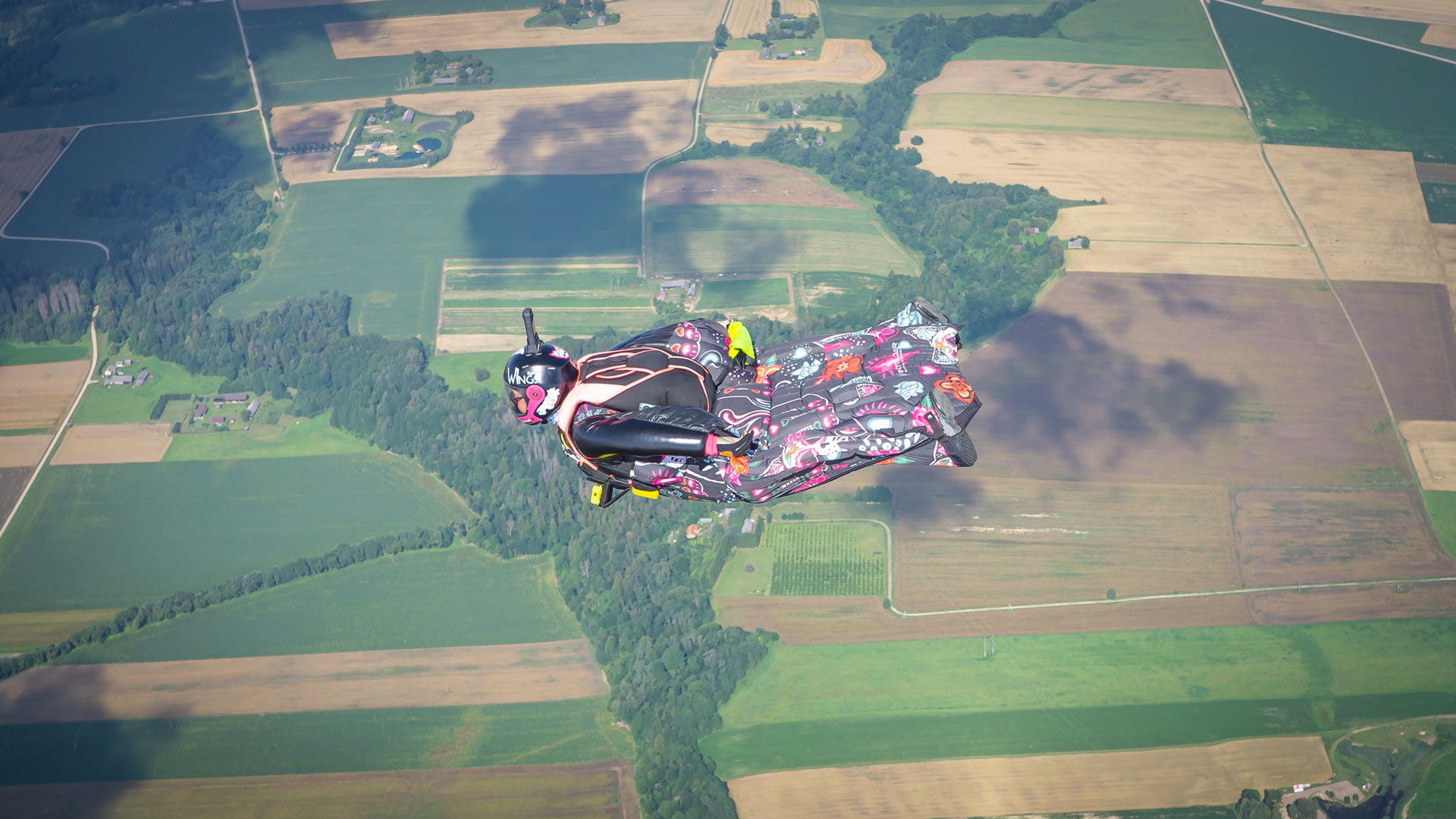
The most critical part of an FFC jump is the deployment. Because forward airspeed is high and vertical speed is slow, deploying a canopy behind a wingsuit requires precise execution:
-
Check Airspace: A quick glance to ensure your flight path is clear.
-
The Flare/Breathe: You will slightly flare the suit to slow your forward speed, then instantly collapse your wings completely to let your canopy deploy into clean air.
-
Punch & Throw: Symmetrically reach and throw your pilot chute.
-
Fly the Body: Keep your body perfectly symmetric in the harness to prevent immediate line twists while your docile 7-cell inflates.
Pro Tip: Don't Skimp on Your Foundation Just like you wouldn't cut corners on quality coaching when starting your skydiving career, your First Flight Course is the absolute wrong place to try and save a few rupees. Investing in proper, thorough FFC training with high-level coaches ensures your muscle memory, flight patterns, and emergency habits are flawless from day one. A solid, uncompromised start makes all the difference in your future wingsuit activities whether you are aiming for advanced flocking or record-breaking elite formations.
Summary FFC Prerequisites Checklist:
-
-
Logbook: Minimum 200 jumps logged. (preferable much more)
-
Currency: Active, current skydiver with regular recent jumps.
-
Gear: Docile 7-cell main canopy loaded ≤1.3 lbs/sq ft, a wingsuit-friendly bridle (8ft), and a 26–30" pilot chute.
-
Audible Altimeter: Mandatory for tracking altitude safely while your vision is focused on navigation.
Ready to fly? Check our upcoming dates or reach out to our coaching staff to get your logbook and equipment audited for the next course!
-
CATEGORIES: