
WSpoint »
KNOWLEDGE HUB
KNOWLEDGE HUB
Wingsuit Airfoil Cross Section & Arm Foam Explained
If you’ve spent any real time flying modern wingsuits, you know that performance comes down to a constant fight against drag and deformation. Once you get past basic body position, the biggest variable in how your suit cuts through the sky is what’s happening at the very front of the arm wing: the leading edge.
To clean up that airflow, Squirrel offers the Airfoil Cross Section (Sport Arm Foam) upgrade. But before you go slapping extra foam into your sleeves, it pays to understand what it actually does, why you’d want it, and whether it’s even worth the tradeoff for how you fly.

1. The Physics: Why Leading Edge Geometry Matters
Think about how icing affects an airplane wing: even a tiny layer of ice along the leading edge distorts the shape of the airfoil, causing premature airflow separation, massive drag, and a sudden loss of lift.
In a wingsuit, we face a similar issue. Let’s be honest, a wingsuit is a far-from-perfect airfoil. Fabric, zippers, body movement, and flexible human arms mean our overall glide ratio and aerodynamic efficiency are modest at best (we actually have a worse glide angle than the Space Shuttle on re-entry!).
Because our human wings are inherently inefficient compared to rigid aircraft, every tiny aerodynamic detail matters.
When air deforms or blunts the front of your arm wing, it creates turbulent airflow over the top surface. Maintaining a crisp, clean leading-edge shape preserves smooth airflow, keeping drag to a minimum. Lower drag equals higher forward speed and in wingsuiting, speed directly generates lift.

Real World Reality: Flying Asymmetrical (A Quick Story)
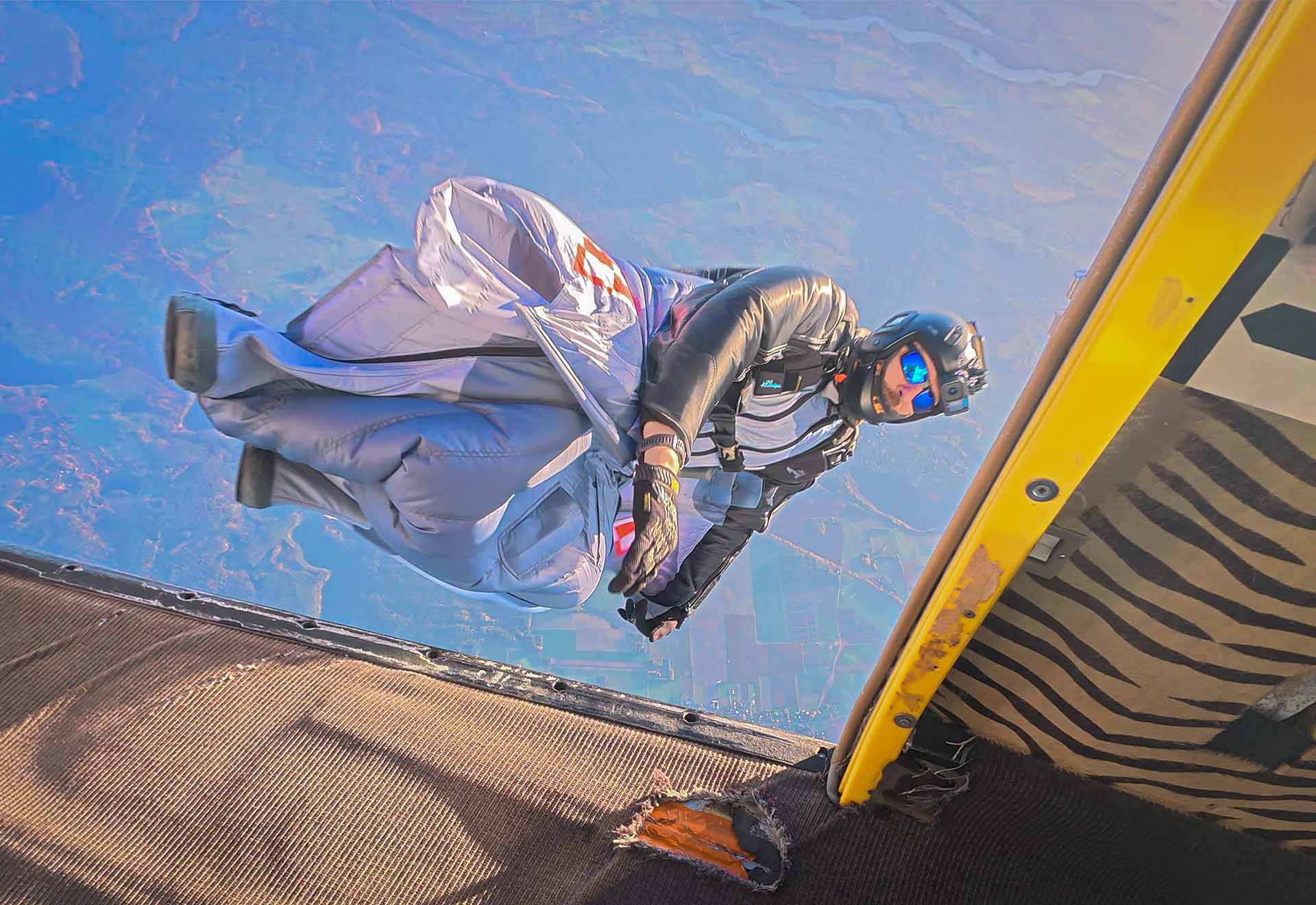
Theory is great, but real-world flying always adds its own twists. Recently, during a series of flocking formation jumps, one of my leading-edge stiffeners somehow slid completely out of the suit wing without me noticing.
I was forced to make the next several jumps with the airfoil cross section in only one arm a total asymmetry on paper.
The result? In standard flock formation flying, I noticed virtually zero difference.
Does this mean leading-edge foam is useless? Not at all. In steady-state, relaxed formation flying, pilot inputs and body positioning easily compensate for minor aerodynamic imbalances. However, where rigid foam really pays off is at high speed, high angles of attack, and during aggressive flares, where structural integrity prevents the cell from collapsing under heavy air loading.
3. What Is the Airfoil Cross Section?
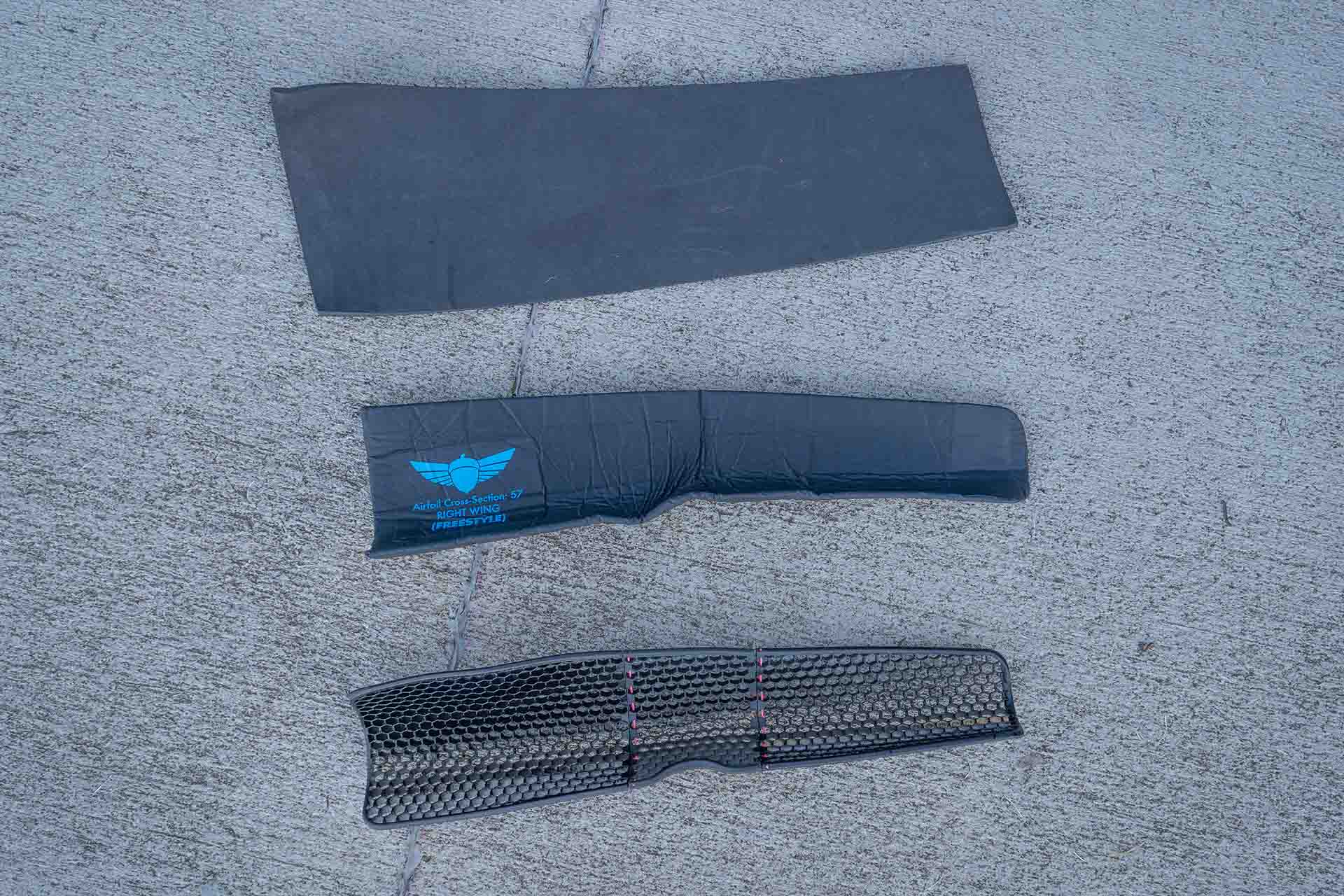
Standard wingsuit arms rely mostly on internal ram-air pressure and flat sheet foam to hold their shape. That works well for general flying, but under high speeds or aggressive angles, air pressure compresses and deforms the leading edge.
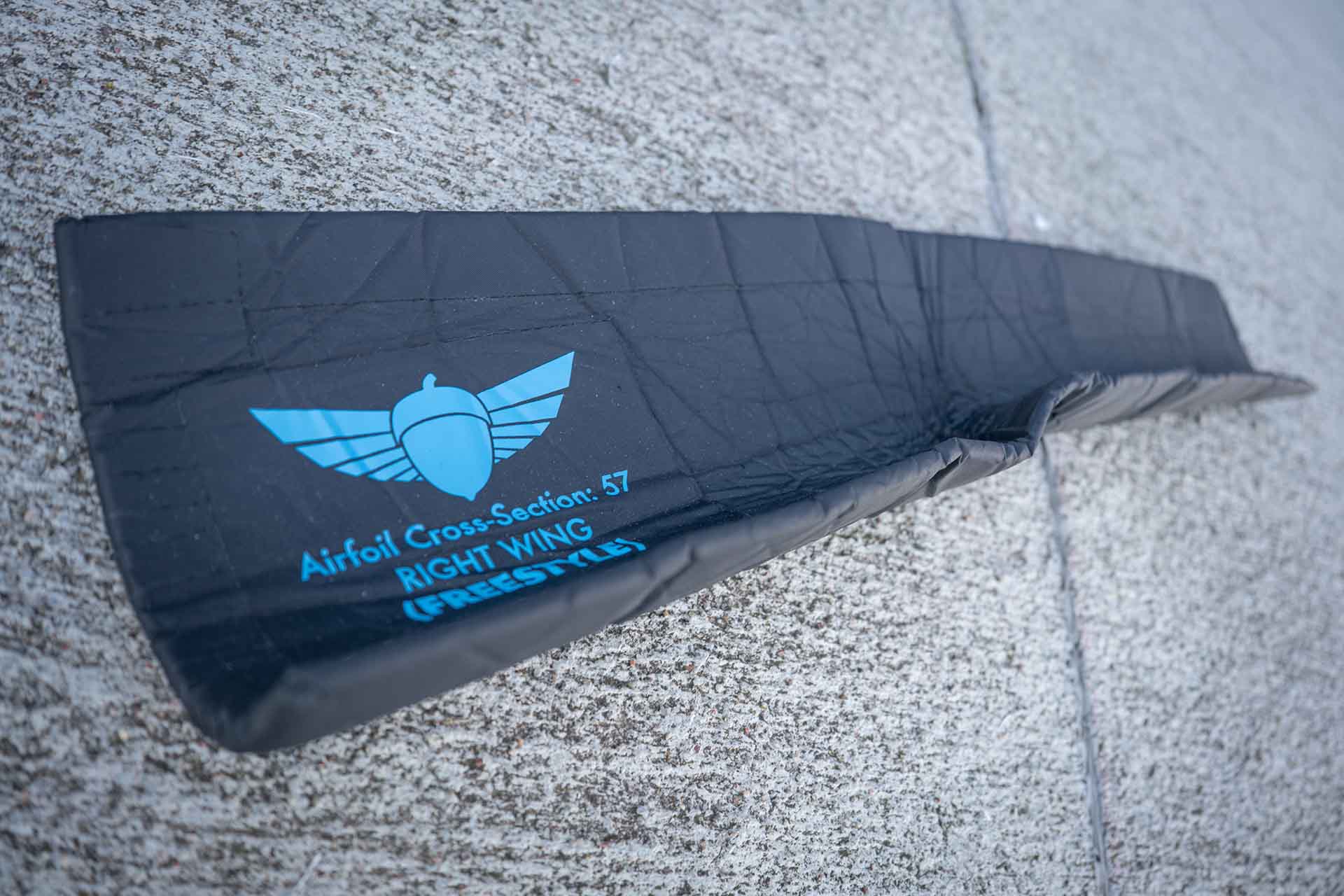
The Airfoil Cross Section is a pre-molded, three-dimensional foam insert that physically forces the front of your arm wing into a true aerodynamic curve. Instead of a rounded cushion, you get a clean, sculpted profile that holds its shape regardless of how fast you’re moving or how hard you’re loading the wing.
4. Why Fly It?

- Higher Speed Equals More Lift: By preventing the leading edge from deforming, you cut down form drag. That extra speed directly converts into more lift, better glide performance, and stronger flare capability.
- Direct Pilot Feedback: Because the front edge doesn't compress under load, your inputs translate immediately to the suit. Roll response feels noticeably punchier and more direct.
- Solidarity in Dynamic Air: In high-speed turns or turbulent air, standard leading edges can flutter or flex, causing minor drops in internal pressure. The airfoil foam acts like a skeletal backbone, keeping the wing rigid and fully pressurized.
5. What’s the Catch? (And Who Is It For?)
This isn't a "set and forget" upgrade for everybody, and it comes with real tradeoffs:
-
Reduced Comfort & Mobility: The rigid foam makes the arm sleeves tighter, restricts your range of motion, and makes reaching for your handles slightly more demanding.
-
Target Audience: This upgrade is strictly for solid intermediate to advanced pilots who are actively pushing speed, distance, or technical lines and know how to handle a stiffer suit setup.
-
Safety & Setup Rule: Never double up on foam structures. If you install an Airfoil Cross Section, you must remove the standard flat sheet foam from your suit. Combining them messes up the internal tension, making the arm way too stiff and potentially dangerous during deployment.
6. Precision Tuning: Taking it Further
Getting your suit dialled isn't just about throwing factory parts at it, it’s about understanding the geometry of your rig and how every modification impacts real world performance.
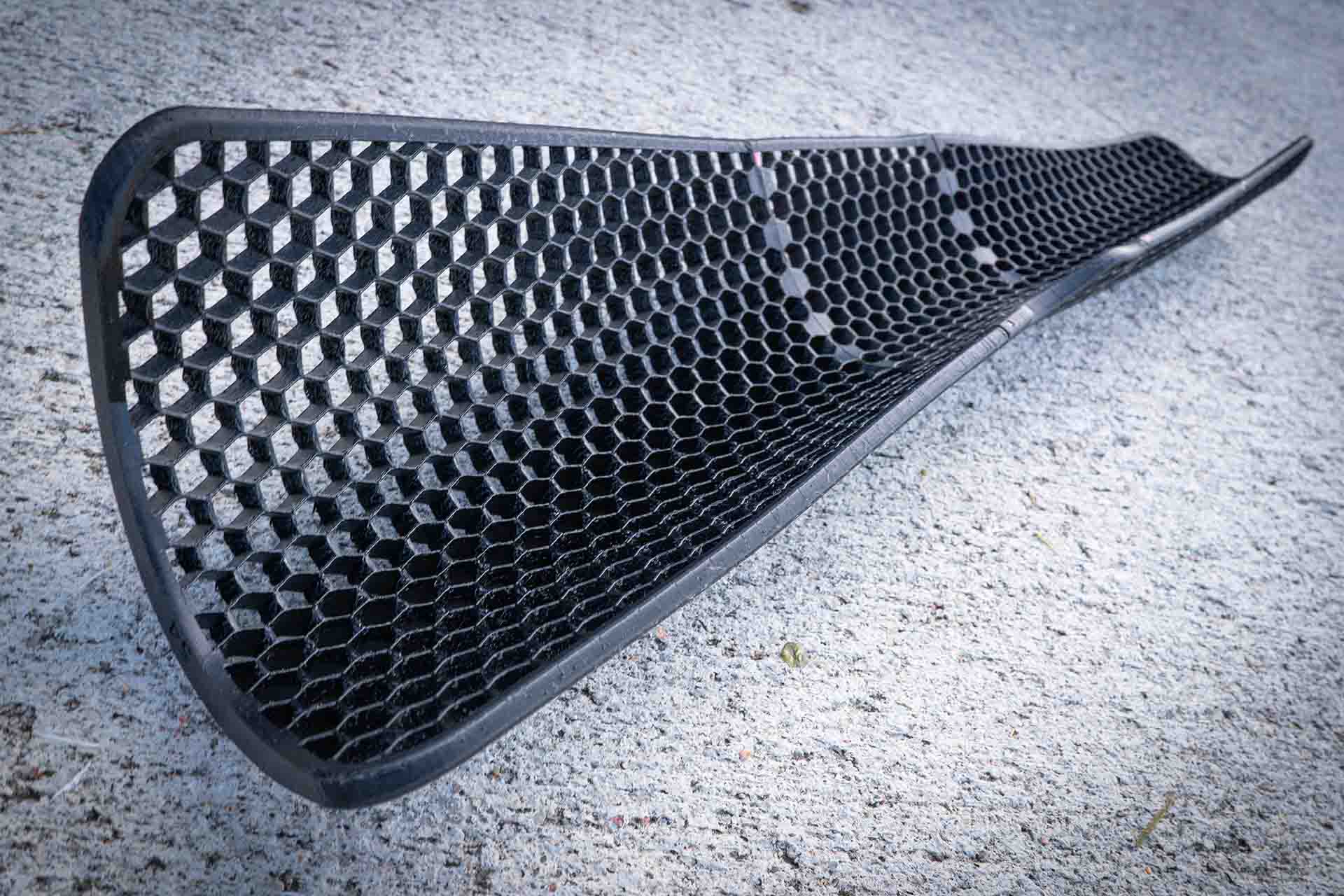
For jumpers looking into hardware customization, precision modifications, and deep-dive gear theory, check out resources like Chris Haen’s project The Cutting Edge. Tools and insight from pilots who actively test and refine their setups help bridge the gap between manufacturer specs and what actually happens when you push a suit to its limits.
The Cutting Edge Zero Deformation Over Time: The main advantage of printed inserts isn't that they are inherently stiffer or "better" in the air it's durability. Factory foam compresses, breaks down, and loses its shape over time. Printed inserts stay identical jump after jump.
Bottom Line
If you're still building consistency in your basic flight envelope, stick with standard sheet foam the comfort and full range of motion are worth far more than a slight bump in glide efficiency. But when you understand that we're flying imperfect wings where every bit of speed fuels your lift, running a proper airfoil cross-section is one of the most effective structural upgrades you can make.
CATEGORIES: